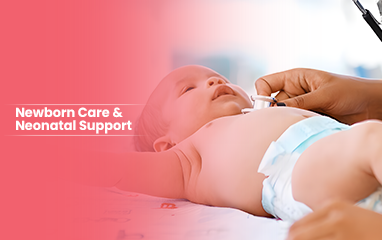
Newborn and Infant Care
Newborn babies and infants may show signs like poor feeding, excessive crying, fever, jaundice, vomiting, breathing difficulty, poor weight gain, skin rashes, disturbed sleep, delayed milestones, and frequent infections. Early diagnosis and proper newborn and infant care are essential for ensuring healthy growth and development.
Causes of Newborn and Infant Health Issues
Common causes include premature birth, low birth weight, infections, poor breastfeeding, nutritional deficiencies, birth complications, weak immunity, improper hygiene, and congenital disorders. Regular pediatric consultation helps in identifying these problems at an early stage.
Precautions for Healthy Newborn and Infant Care
Exclusive breastfeeding for the first six months, regular vaccination, proper hygiene, routine pediatric check-ups, growth monitoring, a clean and safe environment, and timely medical attention for unusual symptoms are important for newborn and infant health.
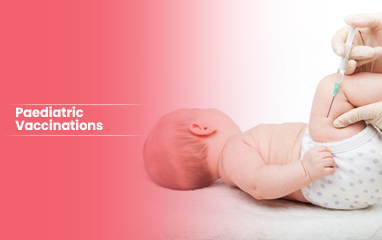
Vaccination
Frequent infections, weak immunity, repeated fever, viral infections, cough, delayed vaccination schedules, and susceptibility to contagious diseases are signs that your child may need timely immunization and vaccination follow-up.
Causes of Delayed or Missed Vaccination
Lack of awareness, missed vaccination schedules, delayed booster doses, poor immunity, and irregular pediatric visits are common reasons for incomplete child vaccination, increasing the risk of preventable diseases.
Precautions for Child Vaccination and Immunization
Follow the recommended child vaccination schedule, keep immunization records updated, never miss booster doses, attend regular pediatric consultations, and ensure your child receives all essential vaccines for long-term protection.
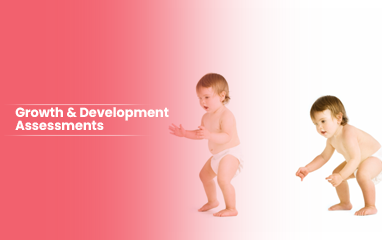
Growth and Development Monitoring
Poor height and weight gain, delayed speech, difficulty in walking, poor learning ability, weak muscle growth, low concentration, delayed milestones, and social interaction problems may indicate growth and developmental issues in children.
Causes of Poor Growth and Development
Nutritional deficiencies, hormonal imbalance, genetic conditions, premature birth, neurological disorders, chronic illness, poor stimulation, and developmental disorders can affect a child’s physical and mental growth.
Precautions for Healthy Child Growth and Development
Regular growth monitoring, balanced nutrition, developmental assessments, physical activity, emotional support, learning stimulation, and early consultation with a pediatric specialist are essential for healthy child development.
Nutrition and Child Wellness
Poor appetite, weak immunity, frequent illness, low energy, obesity, underweight, vitamin deficiencies, poor concentration, weak bones, and slow physical growth are common signs of poor child nutrition and wellness issues.
Causes of Nutritional Deficiency in Children
Unhealthy eating habits, junk food consumption, poor breastfeeding, vitamin deficiencies, digestive problems, irregular meal patterns, and inadequate intake of essential nutrients are major causes of poor child wellness.
Precautions for Better Nutrition and Child Wellness
Provide a balanced diet rich in proteins, vitamins, calcium, and minerals. Encourage healthy eating habits, avoid excessive junk food, ensure hydration, maintain regular meal timing, and schedule routine pediatric wellness check-ups.
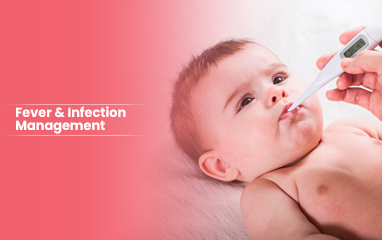
Fever and Infection Management
High fever, chills, sore throat, vomiting, diarrhea, body pain, fatigue, ear infections, urinary infections, skin infections, and repeated illness are signs that your child may need proper fever and infection management.
Causes of Fever and Childhood Infections
Bacterial infections, viral infections, poor hygiene, weak immunity, contaminated food and water, seasonal infections, and exposure to infected individuals are common causes of fever in children.
Precautions for Fever and Infection Prevention
Maintain good hygiene, encourage regular hand washing, provide clean food and water, monitor fever closely, complete prescribed medicines, avoid self-medication, and consult a pediatrician for persistent fever or infection.
Development and Behavioral Disorder Management
Speech delay, poor eye contact, hyperactivity, attention problems, emotional outbursts, social withdrawal, repetitive behavior, learning difficulties, communication problems, and delayed social development may indicate behavioral disorders.
Causes of Developmental and Behavioral Disorders
Autism spectrum disorders, ADHD, neurological conditions, birth complications, genetic factors, emotional stress, family history, and developmental delays are common causes affecting child behavior and development.
Precautions for Behavioral and Developmental Health
Early diagnosis, supportive home and school environments, emotional care, speech and behavioral therapy, regular pediatric assessments, and close monitoring of behavioral changes are important for better child development.